
La historia de Perséfone: Diosa de la primavera y reina del inframundo
1/21/20263 min leer
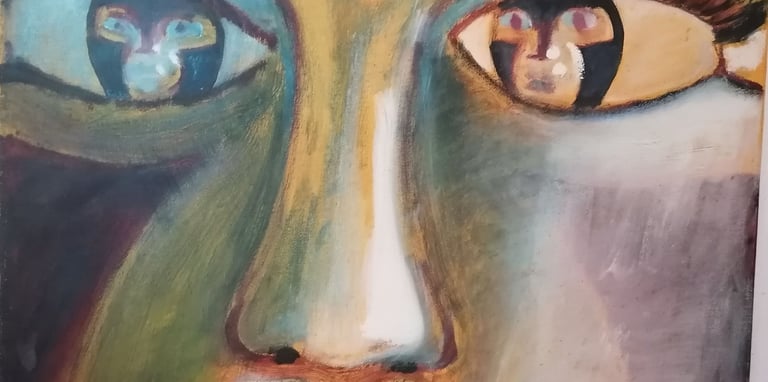
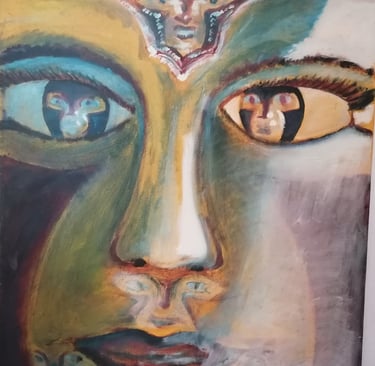
¿Quién es Perséfone?
Perséfone, en la mitología griega, es la diosa de la primavera y la reina del inframundo. Hija de Deméter, la diosa de la agricultura y la fertilidad, su historia es una de amor, pérdida y renacimiento. Desde muy joven, Perséfone fue seducida por Hades, el dios del inframundo, lo que la llevó a un destino que cambiaría no solo su vida, sino el ciclo de las estaciones.
El rapto de Perséfone
La historia de la diosa comienza en un campo lleno de flores, donde disfrutaba de la compañía de sus amigas. Un día, mientras recogía flores, Hades la raptó y la llevó a su reino oscuro. Afligida por la desaparición de su hija, Deméter comenzó a descuidar la tierra, lo que resultó en hambre y desolación. Así, el rapto de la diosa no solo afectó su vida, sino también la de la humanidad.
El Pacto y el regreso de Perséfone
A raíz de la tristeza de Deméter y el sufrimiento de la tierra, Zeus, el rey de los dioses, decidió intervenir. Finalmente, se llegó a un acuerdo: Perséfone pasaría una parte del año con Hades en el inframundo y el resto con su madre en la Tierra. Esta necesidad de alternar entre dos mundos simboliza el ciclo de las estaciones: su regreso a la superficie trae la primavera, mientras que su descenso al inframundo marca el inicio del invierno.
La historia de Perséfone no solo resalta su papel como diosa, sino que también refleja aspectos profundos de la vida humana, como la dualidad de la existencia y el inevitable cambio. La naturaleza de la diosa, que va de la alegría de la primavera al duelo del inframundo, nos recuerda que la vida está llena de altibajos y que cada final es también un nuevo comienzo.
En conclusión, Perséfone se convierte en un ícono de la resiliencia y la transformación. Su vida resuena con aquellos que enfrentan desafíos y cambios, enfatizando que, a pesar del dolor y la pérdida, siempre hay lugar para el renacer. Así es como su historia perdura a través de los siglos, una lección atemporal sobre el equilibrio entre la luz y la oscuridad.
Who is Persephone?
Persephone, in Greek mythology, is the goddess of spring and the queen of the underworld. Daughter of Demeter, the goddess of agriculture and fertility, her story is one of love, loss, and rebirth. From a young age, Persephone was captivated by Hades, the god of the underworld, which led her to a fate that would change not only her life but also the cycle of the seasons.
The Abduction of Persephone
The goddess’s story begins in a field full of flowers, where she enjoyed the company of her friends. One day, while picking flowers, Hades abducted her and took her to his dark realm. Grieving her daughter’s disappearance, Demeter began to neglect the earth, resulting in famine and desolation. Thus, the abduction of the goddess affected not only her life but also that of humanity.
The Pact and Persephone’s Return
Due to Demeter’s sorrow and the suffering of the earth, Zeus, the king of the gods, decided to intervene. Eventually, an agreement was reached: Persephone would spend part of the year with Hades in the underworld and the rest with her mother on Earth. This need to alternate between two worlds symbolizes the cycle of the seasons: her return to the surface brings spring, while her descent to the underworld marks the beginning of winter.
Persephone’s story not only highlights her role as a goddess but also reflects profound aspects of human life, such as the duality of existence and inevitable change. The nature of the goddess, moving from the joy of spring to the mourning of the underworld, reminds us that life is full of ups and downs and that every ending is also a new beginning.
In conclusion, Persephone becomes an icon of resilience and transformation. Her life resonates with those who face challenges and changes, emphasizing that despite pain and loss, there is always room for rebirth. This is how her story endures through the centuries, an eternal lesson about the balance between light and darkness.
© 2024. Todos los derechos reservados.<a href="<a href="https://www.safecreative.org/work/2510153320743">https://www.safecreative.org/work/2510153320743</a>" xmlns:cc="<a href="http://creativecommons.org/ns#">http://creativecommons.org/ns#</a>" rel="cc:license"><img src="<a href="https://resources.safecreative.org/work/2510153320743/label/standard-300">https://resources.safecreative.org/work/2510153320743/label/standard-300</a>" style="border:0;" title="Safe Creative #2510153320743"/></a>